Breaking News
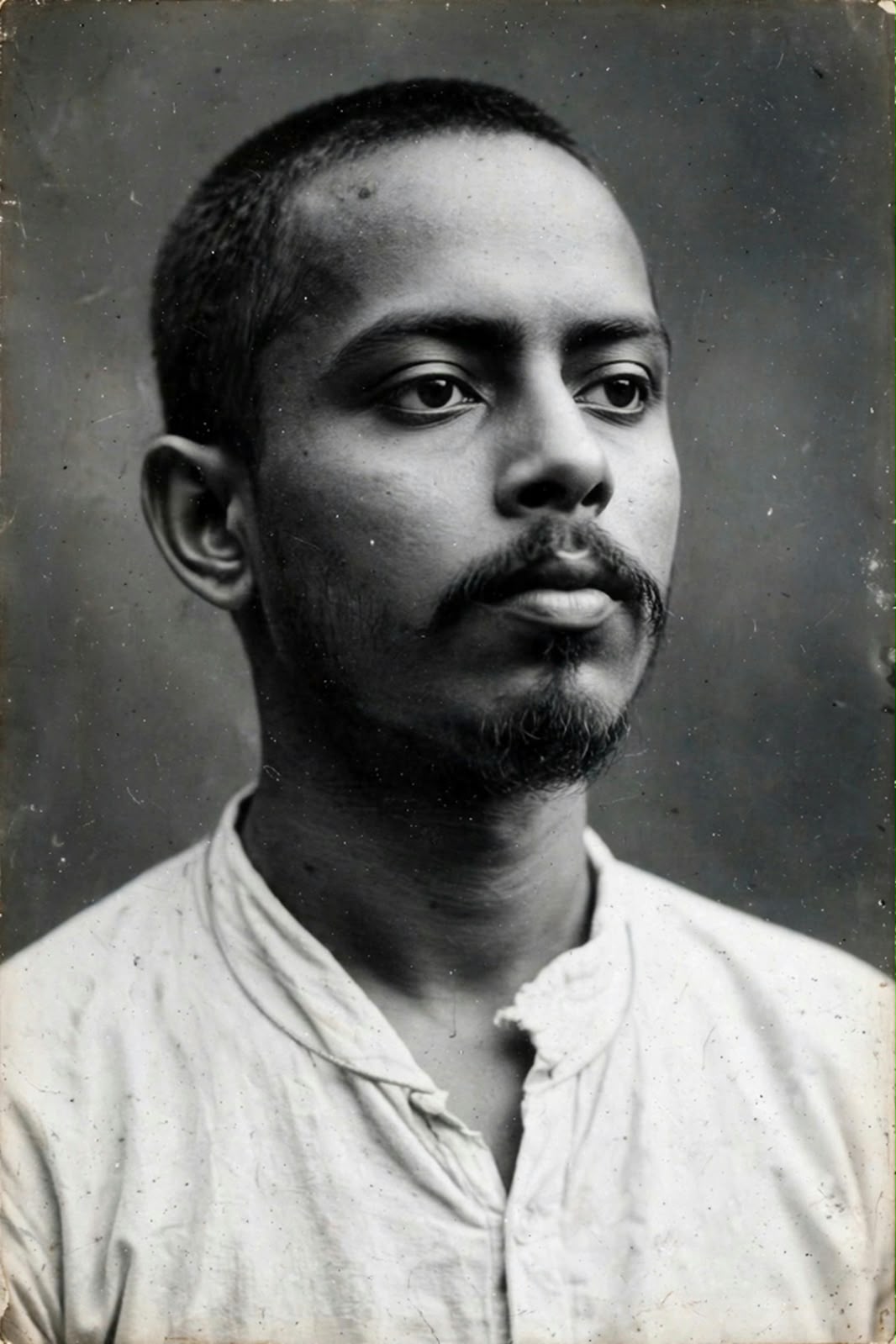
The Terror of the British, the Pride of Sarail Revolutionary Ullaskar Dutta.
Reporter :
Editor :
National
>
Chattogram
08 October 2026 08:52 PM
45
Views
M Badal Khandakar (District Representative)
Brahmanbaria.
Ullaskar Dutta, one of the pioneers of the anti-British independence movement of the Indian subcontinent and known as India's first bomb-maker, was born on 16 April 1885 in the village of Kalikachchha in Sarail upazila of Brahmanbaria district. His father's name is Dwijadas Dattagupta.
Ullaskar was a student of Presidency College, Kolkata, and later obtained a degree in agriculture from the University of London. While studying in college, when English professor Russell made derogatory remarks about Bengalis, he assaulted him with shoes, for which he was expelled from the college. From this point, a change came in his life and he joined the Anushilan Samiti and Jugantar group.
He was skilled in making high-grade explosives. In 1908, the bomb with which Khudiram Bose and Prafulla Chaki attempted to kill Kingsford in Muzaffarpur was made by Ullaskar Dutta, the son of Sarail.
He was arrested in the Alipore bomb case. The Sessions Court sentenced him to death. Later on appeal, the High Court reduced the sentence to life imprisonment and sent him to the notorious Cellular Jail (Kalapani) in the Andamans.
There, brutal torture was inflicted on him - electric shocks, starvation, solitary confinement. Attempts were made to drive him insane by hitting him on the head. Due to this torture, he lost his mental balance.
In 1920, he was released from the Madras Lunatic Asylum as part of a royal pardon.
There is an immortal love story in his life. His childhood sweetheart was Leela Pal, the daughter of revolutionary Bipin Chandra Pal. After 40 years of separation, in 1948, at the age of 63, ignoring all social barriers, he married Leela Pal, who was paralyzed and widowed. The revolutionaries had taken an oath not to marry until the country was free, and he kept that oath.
After the partition of the country in 1947, he returned to his native village Kalikachchha (present-day Bangladesh). Later, in 1951, he moved to Silchar in Assam with his wife. There, in extreme poverty, he spent his life serving his paralyzed wife. He refused to accept the allowance for freedom fighters from the Government of India. Even after his wife's death in 1962, he believed she would return, so he slept with the door open.
Finally, on 17 May 1965, this great revolutionary passed away in Kolkata. His writings "Amar Karajibon" and "Baro Bochorer Karajibon" are invaluable documents in the history of the revolution.
Related News